
Understated wedding guest attire means dressing in well-fitted, high-quality pieces in a neutral palette, with no visible logos and nothing louder than the couple. The rule is simple: pick one tailored, quality focal piece, add one refined accessory, and stop there. Brands built around quiet luxury, including Fora Leonara, exist precisely for this kind of dressing.
TL;DR:
- Well-fitted, high-quality fabrics like silk crepe, cashmere blends, and fine wool signal quiet luxury without visible branding.
- The most important aspect of dressing understated is choosing a well-tailored garment that fits perfectly, regardless of the price.
- Neutral colors such as navy, charcoal, olive, and stone are best, while white or ivory should be avoided unless explicitly invited.
- In ambiguous dress codes, opt for classic, high-quality fabrics and tailored pieces to avoid over- or under-dressing.
- Accessories should be minimal and understated, with one statement piece and one quiet item, to avoid competing with the couple’s focus.
Table of Contents
- Understated Wedding Guest Outfit Formulas That Actually Work
- What Fabrics Signal Quiet Luxury Without a Logo?
- How Do You Read a Wedding Dress Code Without Overdressing?
- Why Fit Matters More Than the Price Tag
- Accessorizing Without Upstaging the Couple
- Adjusting an Understated Look for Season and Venue
- Building a Rewearable Wedding Guest Capsule
- Which Neutral Colors Work Best for Understated Wedding Guest Attire?
- Hair and Makeup That Match an Understated Wedding Outfit
- Grooming Details That Make the Whole Look Read Polished
- Etiquette That Matches an Understated Dress Code
- Fora Leonara: A Discreet Source for Quiet-Luxury Wedding Pieces
- Sources
- FAQ
Understated Wedding Guest Outfit Formulas That Actually Work
You don’t need ten options. You need three or four that you can execute without a second thought, whether the invite says “cocktail” or just leaves you guessing.
For women:
- A silk crepe midi dress in navy or stone, paired with a low strappy heel and a small structured clutch. Works for city rooftop weddings and evening receptions.
- A tailored jumpsuit in charcoal wool blend, cinched at the waist, with a mule and gold-toned minimal earrings. Suits garden or vineyard settings where a dress might catch wind or grass stains.
- Wide-leg silk trousers with a fitted silk shell, layered under a cropped blazer for cooler venues. Reads formal without a dress.
- A floor-length column dress in champagne or olive silk for black-tie or formal evening invites. Editors at The Knot point to these tonal, premium-fabric choices as the defining move for 2026 wedding guest dressing.
For men:
- A charcoal or navy wool suit, white or pale blue shirt, no tie, for semi-formal daytime events.
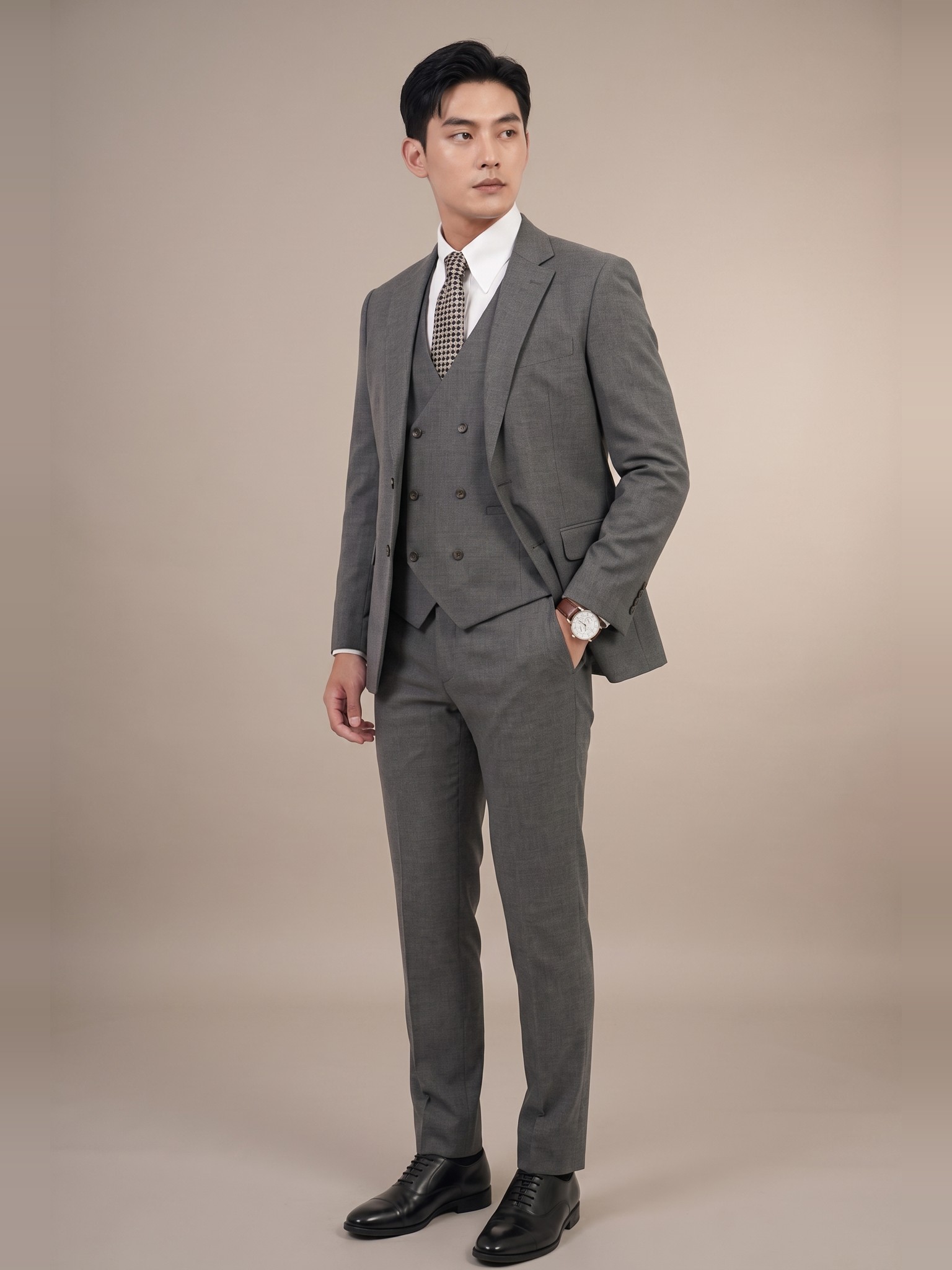
- A three-piece suit in gray flannel with a subtle tie for anything leaning black-tie optional.
- A linen-cotton blend suit in stone for beach or outdoor summer weddings, worn with loafers and no socks.
Gender-neutral option: a well-cut trouser and blazer set in a single tonal neutral, styled with minimal jewelry and a leather loafer. It reads polished at any dress code, and it re-wears into work travel or dinners with almost no adjustment.
To dial formality up, swap linen for silk or wool crepe. To dial it down, drop the blazer and add a woven belt.
What Fabrics Signal Quiet Luxury Without a Logo?
Fabric does the talking that a logo would otherwise do. Silk crepe, cupro, cashmere blends, fine wool, and linen-cotton weaves all carry weight, drape correctly, and hold their shape through a full day of standing, sitting, and dancing. The Knot’s 2026 trend coverage specifically names silk crepe, cashmere blends, and washable wools as the materials driving this look, largely because they photograph with texture instead of shine.
For depth in a monochrome outfit, pair two textures rather than two colors: a silk blouse under a cashmere-blend cardigan, or a fine wool trouser with a suede loafer. That contrast in surface, not hue, is what separates an outfit that looks expensive from one that just looks plain.
- Silk crepe: structured drape, ideal for dresses and blouses
- Cupro: mimics silk’s fall with far better durability in heat and humidity
- Cashmere blends: adds warmth and texture to shoulders and knits
- Fine wool: the backbone of any tailored suit or trouser
- Linen-cotton blends: breathable structure for daytime and warm-weather venues
Pro Tip: Cupro or a cupro blend is the smarter pick for a summer destination wedding. It drapes like silk, washes better, and won’t develop the slight sheen that cheaper synthetic silk alternatives get under outdoor lighting.
How Do You Read a Wedding Dress Code Without Overdressing?
Invitation language is often vague on purpose, and guessing wrong in either direction stands out. Here’s how the common labels translate into understated choices:
- Black tie: a floor-length gown or a well-cut tuxedo. No shortcuts here.
- Black-tie optional: a dark, high-quality suit or a refined dress in silk or wool crepe. This is where fabric quality does the heavy lifting.
- Cocktail: a midi dress or a tailored jumpsuit, something that stops above the ankle but reads finished.
- Semi-formal: polished separates, or a suit without a tie.
- Casual: a dressy sundress or a linen-blend suit. Casual is not an invitation for jeans.
Condé Nast Traveler’s guide to dress codes ties each of these labels to venue and time of day, which is the piece most guests miss. An evening black-tie-optional wedding in a hotel ballroom calls for a different weight of fabric than a 4 p.m. ceremony on a lawn, even under the same dress code.
When the invite is genuinely ambiguous, the safest move is to lean formal. Cosmopolitan’s guidance on this is blunt: fit and fabric quality read as the marker of effort, not the label on the invite, so a well-tailored classic piece will never look out of place, even in a slightly more casual room than expected.
Why Fit Matters More Than the Price Tag
Fit is the single biggest signal of quality in a wedding guest outfit, more than fabric and far more than brand. A $2,000 dress with a gaping shoulder seam reads worse than a $200 dress that actually fits the body wearing it. That’s not opinion. It’s the same conclusion Cosmopolitan’s stylists reach when they call fit the primary marker of a well-dressed guest.
A short tailoring checklist, in order of what to fix first:
- Shoulder seam on a jacket or blazer. This is the hardest and most expensive to alter, so check it before buying.
- Sleeve length, both jacket and shirt. Should end at the wrist bone.
- Hem length, dress or trouser. A trouser break should just kiss the top of the shoe.
- Waist definition, taken in on dresses and jackets for a cleaner line.
- Trouser break, ideally a slight crease at the shoe rather than a full puddle.
Shoulder and jacket length changes deliver the biggest visual payoff for the smallest alteration cost. Hemming and waist nips come next.
Pro Tip: If a jacket doesn’t sit right at the shoulder in the store, walk away. Almost everything else can be altered. That one thing usually can’t, or costs more than the garment is worth.
Made-to-measure is worth the investment for a suit or dress you plan to wear across multiple seasons and events. For a single-wear piece, off-the-rack with a good tailor covers it.
Accessorizing Without Upstaging the Couple
Two accent pieces are the ceiling. Past that, an outfit starts competing with itself, and possibly with the wedding party.
- Choose one statement piece (earrings or a bag) and one quiet piece (a thin bracelet, a simple watch), never two loud ones.
- Neutral metals, gold or silver depending on skin tone and the rest of the outfit, read more refined than mixed or colored stones.
- Bags should be structured, compact, and free of visible branding.
- For heels, a block or kitten heel handles grass and gravel far better than a stiletto, a point stylists at LatestFits make specifically for outdoor venues.
- Flats in fine leather or suede work for long ceremonies where standing time runs past twenty minutes.
Adjusting an Understated Look for Season and Venue
Summer weddings call for cupro, silk, and linen blends in lighter tones, stone, pale olive, soft champagne, that breathe in heat without losing structure. Autumn and winter shift the same silhouettes into wool blends, velvet, and heavier cashmere knits, often in charcoal or deep navy.
Outerwear should complete the look, not compete with it. A tailored wool coat or a simple opera coat over a dress does more for the outfit than a statement jacket ever will. For daytime or transitional weather, a tailored blazer works as both outerwear and structure.
- Beach or lawn venues: block heels or wedges, never a thin stiletto
- Vineyard or garden settings: a slightly heavier fabric to handle evening temperature drops
- City rooftop weddings: silk and wool crepe hold their shape better in wind than jersey
- Church ceremonies: flats or low heels for standing and kneeling comfort, plus a coat that covers shoulders
Building a Rewearable Wedding Guest Capsule
The goal isn’t a wedding-only wardrobe. It’s four or five pieces that cover every invite for the next two years and double as work or dinner clothes.
- Invest in: one tailored suit or dress in a versatile neutral, and one coat that works over both.
- Splurge selectively: tailoring and fabric quality on the piece you’ll wear most often; save on one-time accessories.
- Choose accessible options for: trend-driven accessories or anything you suspect you’ll only wear once.
- Stick to tonal ranges: a navy-and-charcoal or stone-and-olive capsule lets pieces mix across seasons and dress codes.
Fora Leonara’s ready-to-wear collection is built around exactly this kind of piece, garments meant to anchor a wardrobe rather than fill a single event. A classic gray three-piece suit or a black dress like the Noir Elegance both fit that “one investment piece” model: wear it to the wedding in June, then again to three dinners and a work event before the year ends.
Which Neutral Colors Work Best for Understated Wedding Guest Attire?
Champagne, navy, charcoal, olive, and stone form the working palette for quiet-luxury wedding dressing. Each reads formal without pulling focus, and each photographs cleanly in daylight and under evening lighting, which matters more than most guests realize until they see the photos later.
White, ivory, and even pale champagne that leans too close to bridal white are off-limits unless the couple explicitly invites guests to wear them. Brides is direct on this point: solid white reads as a boundary violation regardless of intent, and guessing wrong here is one of the few wedding guest mistakes that’s genuinely hard to walk back once you’re photographed in it.
Within the approved palette, tonal pairing does more work than people expect. Navy and charcoal together create depth without introducing a second color. Olive and stone do the same for warmer skin tones and daytime events. LatestFits notes that muted neutrals also solve a practical problem: they re-wear far more easily than anything bright or trend-specific, since they don’t date the way a seasonal color does.
If you want a hint of color, keep it to one small accessory, a bag or a lip color, never the main garment. The palette works because it’s disciplined, not because it’s boring. A charcoal suit with a single olive silk pocket square still counts as understated; a bright cobalt dress does not, no matter how well it fits.
Hair and Makeup That Match an Understated Wedding Outfit
Hair and makeup should support the outfit’s restraint, not fight it. A sleek low bun, a soft side part with loose waves, or a simple half up style all work because they don’t demand attention on their own. The goal is polish that reads effortless, not a hairstyle that becomes the outfit’s second focal point.
Makeup follows the same logic. A clean base, defined brows, a soft bronze or rose eye, and a muted lip, think nude, dusty rose, or a soft berry, keep the face polished without introducing a bold color that competes with a champagne or olive dress. Save a bold red lip for events where the dress code explicitly invites more drama; on a quiet-luxury outfit, it tends to pull focus away from the tailoring you paid for.
Skin should look like skin. Heavy matte foundation reads dated in photos, especially outdoors, while a lit-from-within finish complements the same fabrics doing the work in your outfit. If your dress or suit is a strong solid, keep both hair and makeup a notch simpler than you would for a printed or textured piece. Simple styling reads more expensive than an elaborate one nine times out of ten, largely because it signals control rather than effort.
Grooming Details That Make the Whole Look Read Polished
Grooming is where quiet luxury either holds together or falls apart, because it’s the detail people notice up close, not from across the room. Trimmed and shaped brows, clean hands, and a fresh haircut or beard trim in the days before the wedding do more for your overall look than any single garment.
For men, a clean shave or a crisp beard line, plus a quick check that shirt collars sit flat and cuffs show the right amount below a jacket sleeve, rounds out a tailored outfit. Scuffed shoes undercut an otherwise sharp suit faster than almost anything else, so polish leather the night before.
For women, neutral or barely-there nail polish keeps hands from distracting against a structured bag or minimal jewelry. Skin prep, moisturized and even-toned, matters more than heavy contouring under wedding photography, which tends to be unflattering to overdone makeup.
The common thread across both is subtlety with intention. Nothing here should look like it took effort, even though it did. That’s the actual definition of looking put together rather than dressed up.
Etiquette That Matches an Understated Dress Code
Dressing quietly comes with a matching set of behavioral cues, and the two reinforce each other. Arrive on time, since a subtle outfit paired with a late entrance draws exactly the kind of attention the outfit was designed to avoid. Sit where directed, and avoid rearranging seating charts even with good intentions.
Photography etiquette matters more than most guests think. Avoid standing directly in the aisle sightline during the ceremony, and never use flash photography during vows, both because it’s disruptive and because it undercuts the professional photographer’s shots. If phones are requested away during the ceremony, an understated guest respects that without negotiation.
Keep conversation and toasts brief unless you’re specifically asked to speak. Compliment the couple, not their choices; a quiet “you both look wonderful” lands better than commentary on the venue or the menu. Quiet dressing signals restraint, and restraint should carry through to how loudly you talk, how much attention you draw during key moments, and how you handle the open bar. The outfit sets the tone; your behavior either backs it up or undercuts it.
Fora Leonara: A Discreet Source for Quiet-Luxury Wedding Pieces
Fora Leonara builds exactly the kind of pieces this guide describes: garments cut and finished in a European atelier, made from the fabrics that carry quiet luxury, without a visible logo anywhere on them. Founder Rafael Zard built the house around one idea: fit and material should do the work that branding usually does.

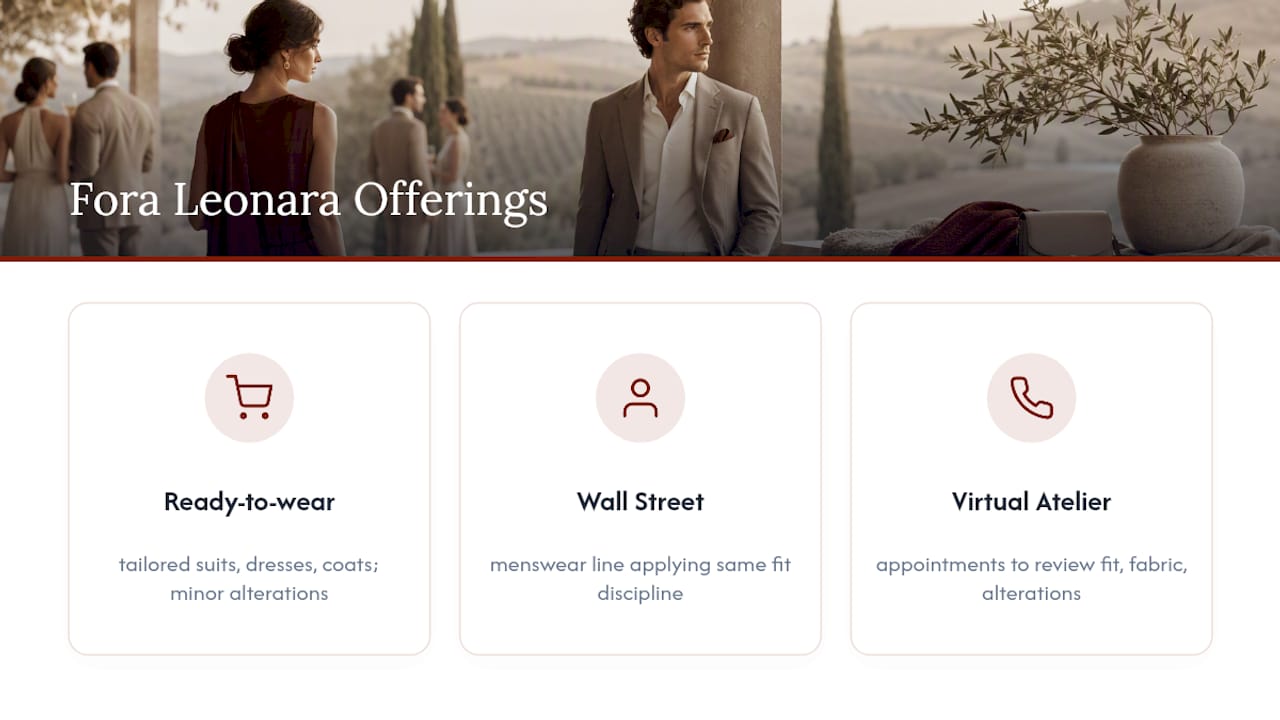
If you’re assembling a capsule for wedding season, start with the ready-to-wear collection, where tailored suits, dresses, and coats are ready to wear as-is or adjust with minor alterations. The Timeless Elegance in Set in Stone piece is a working example of the tonal-neutral approach this guide recommends, one that photographs well at a ceremony and re-wears into a dinner or office event afterward. For a warmer palette, the Set in Dark Mocca version offers the same construction in a different neutral. The signature Wall Street Reserve line applies the same discipline to menswear, for readers building out the suit side of their capsule.
For guests who want a second opinion on fit before buying, Virtual private atelier appointments provide a chance to talk through fabric weight, sizing, and alteration needs before a garment ships. Browse the current ready-to-wear collection or book a virtual atelier session to start building your own capsule.
Sources
This guide draws on wedding style reporting from The Knot, Cosmopolitan, Condé Nast Traveler, and Brides, alongside brand context from the Fora Leonara Journal on eveningwear and quiet-luxury menswear.
- Wedding guest dress trends 2026 | The Knot
- What to wear to a wedding | Cosmopolitan (UK)
- Guide to wedding guest dress codes | Condé Nast Traveler
- Wedding dress code explained | Brides
FAQ
What Does “Understated Wedding Guest Attire” Actually Mean?
It means well-fitted garments in premium, natural fabrics and a neutral palette, with no visible logos or loud branding, prioritizing quality construction over trend pieces.
Is It Okay to Wear Black to a Wedding?
Yes, black is appropriate for most modern wedding dress codes, particularly black-tie optional and cocktail events, as long as the fabric and cut read formal rather than casual.
What Colors Should I Avoid as a Wedding Guest?
Avoid solid white, ivory, or any shade close to bridal white, since etiquette guides treat this as a firm boundary unless the couple explicitly requests it.
How Formal Should I Dress if the Invite Just Says “Casual”?
Casual still means dressed up by everyday standards, a linen-blend suit or a dressy sundress works, but jeans and sneakers do not fit the quiet-luxury or understated standard.
Where Can I Find Ready-Made Quiet-Luxury Wedding Guest Pieces?
Fora Leonara’s ready-to-wear collection offers tailored suits, dresses, and accessories built specifically around the fit-first, logo-free approach this style calls for.
