

An emerging luxury brand earns that label through discipline, not virality: a clear point of view, verifiable material sourcing, and a production model built around scarcity rather than volume. Two signals tell you almost everything before you check a price tag. First, provenance. Does the brand name its mills, its atelier, its factory, or does it hide behind vague language like “premium materials”? Second, production model. Made-to-order houses build fewer pieces, hold less dead stock, and generally emphasize craftsmanship over volume-based targets.
Fora Leonara, the New York house founded by Rafael Zard, operates on exactly this model. Its pieces come out of a proprietary European atelier, its signature line (“The Wall Street Reserve”) carries no visible branding, and its production runs closer to appointment-based tailoring than warehouse retail.
Before you spend on an unfamiliar label, check for:
- A named factory, mill, or atelier location, not a generic “ethically sourced” claim
- A production timeline that suggests made-to-order rather than mass inventory
- A pricing rationale tied to materials and labor, not marketing spend
- A repair or alteration policy stated plainly, not buried in fine print
Key Takeaways
The most reliable emerging luxury brands combine named material provenance, made-to-order production, and disciplined distribution rather than fast growth or heavy branding.
| Point | Details |
|---|---|
| Check provenance first | Ask for the named mill, tannery, or factory before trusting any “premium materials” claim. |
| Expect made-to-order timelines | Lead times of six to eight weeks are common for atelier-driven brands and signal lower waste. |
| Judge construction by touch | Look for finished seams, dense stitching, and even interfacing rather than logos or packaging. |
| Treat selective distribution as a signal | Brands limiting wholesale partners and running trunk shows are usually playing a longer game. |
| Fora Leonara as a working model | Its EU atelier sourcing, made-to-order approach, and virtual atelier appointments reflect the same quiet-luxury discipline covered throughout this guide. |
Table of Contents
- What Defines an Emerging Luxury Brand in 2026
- A Shopper’s Checklist: How to Spot Craftsmanship and Real Quality
- Where and How to Discover Emerging Luxury Labels
- Trends Reshaping Emerging Luxury in 2026
- Fora Leonara Spotlight: A Working Example of Quiet-Luxury Investment Dressing
- The Sustainability Case for Emerging Luxury
- How Emerging Luxury Brands Tell Their Story
- Building Trust as a New Name in Luxury
- Digital Discovery and the New Rules of Visibility
- How to Start With Fora Leonara
- Sources
- FAQ
What Defines an Emerging Luxury Brand in 2026
The old definition of “emerging” meant young and growing fast. That definition no longer holds. Industry analysis of the sector frames 2026 as a period of concentration, where growth clusters around brands with value clarity and disciplined expansion rather than around whoever posts the loudest campaign. A brand can be five years old and still count as emerging if it hasn’t scaled distribution yet. A brand can be eighteen months old and already feel established if it has nailed its positioning.
Four traits separate the labels built to last from the ones riding a single viral moment.
- Value clarity. The brand can explain, in one sentence, why its price makes sense. Not “luxury quality” but specifics: full-grain leather from a named tannery, a 400-thread wool from a specific mill, hand-finished buttonholes.
- Emotional specificity over logos. Quiet luxury replaces branding with what insiders call “invisible perfection”: the drape of a lapel, the weight of a fabric, the way a seam lies flat. It rewards touch over recognition.
- Selective distribution. Rather than chasing every retailer that will take the product, disciplined houses choose wholesale partners carefully and often build through trunk shows and appointment-only sales before opening broader retail. That patience is a strategic choice, not a sign of weak demand.
- Cost-per-wear logic. A $400 shirt worn twice a week for five years costs less per wearing than a $60 shirt replaced every season. Emerging luxury brands that survive tend to make this math explicit, whether directly or through service policies that extend the garment’s life.
What ties these together is operational restraint. A brand still finding its footing rarely turns down a big wholesale order or a flashy collaboration. A brand with real discipline does, because overexposure kills the scarcity that makes quiet luxury desirable in the first place. That’s also why some of the labels getting the most informed attention right now, including independent handbag and accessory brands built around minimalist, logo-free design, are growing slower and smaller than you’d expect from the buzz around them.
A Shopper’s Checklist: How to Spot Craftsmanship and Real Quality
Most people shop luxury with their eyes. The better approach is to shop with your hands, and to ask questions a salesperson at a fast-fashion counter has never heard before.
Construction cues that separate real tailoring from surface polish:
- Seam allowances that are finished, not raw or pinked, especially inside jackets and along waistbands
- Stitch density around 8 to 10 stitches per inch on structured pieces; anything looser tends to loosen further with wear
- Interfacing that’s fused evenly with no bubbling at the collar or lapel roll
- Edge finishing on leather goods (burnished or painted edges, not just cut and left raw)
- Buttonholes that are hand-finished or at least tightly bar-tacked, not fraying after a season
Materials verification comes next, and it’s where most shoppers stop asking questions too early. A brand that names its mill, its fiber percentage, and its fabric weight in grams per square meter is giving you something you can check independently. A brand that says “luxurious Italian wool” without a mill name is giving you marketing copy. Fabric weight matters more than people assume: a heavier wool suiting (around 300 to 320 grams per square meter) drapes differently than a lightweight summer wool (around 220 grams), and the difference shows up in how the garment moves, not just how it photographs.
Production model is your third checkpoint, and it tells you something structural about the brand’s priorities. Made-to-order houses commonly run lead times of six to eight weeks, which sounds slow next to same-day shipping from a mall retailer. That wait exists because the garment isn’t sitting in a warehouse. It’s cut, sewn, and finished after you order it, which means less fabric waste and tighter quality control at every stage. If you’re used to instant gratification, budget for this. Plan investment purchases a season ahead rather than expecting next-day delivery.
Service indicators round out the picture. Ask directly: What’s the repair policy? Can I get alterations after purchase? Is there a way to book time with someone who actually knows the construction, rather than a general customer service line? Brands with real aftercare programs increase the effective value of what you’re buying, since a garment you can repair for another decade costs less per year than one you replace.
Pro Tip: Before buying from an unfamiliar label, ask for the fabric’s country of origin and the factory location directly. A brand confident in its sourcing answers in one sentence. A brand that deflects or gives you a vague regional answer is telling you something too.
Before you check out, run through this short list:
- Ask for provenance: mill name, fiber content, country of finishing
- Confirm measurements against a size chart with actual body measurements, not just S/M/L
- Ask about production timeline and whether the piece is made-to-order or from existing stock
- Look for third-party mentions (press, stockists, editorial coverage) that corroborate the brand’s own claims
Where and How to Discover Emerging Luxury Labels
The best discovery channels function as filters, not just showcases. Understanding what each channel screens for tells you how much trust to place in what you find there.
- Multi-brand retailers and curated platforms. Being stocked by a curated retailer or select boutique is a real vetting signal, since these buyers reject far more brands than they accept. Look at who else the retailer carries. A platform that mixes an emerging label with established houses is making an implicit quality statement.
- Boutiques, trunk shows, and smaller fashion weeks. These venues matter precisely because they’re harder to fake at scale. A brand willing to do the slow work of trunk shows and regional showcases, instead of a splashy global launch, is usually optimizing for relationship-building over immediate revenue. That patience often tracks with construction quality.
- Editorial trackers and brand pulse indices. Coverage from established fashion trade press signals that industry insiders find the brand worth writing about, independent of the brand’s own marketing budget. Metrics like the BoF Brand Pulse Index now track digital engagement alongside traditional coverage, giving a fuller read on which labels are gaining real traction versus temporary attention.
- Waitlists and limited drops, read correctly. A waitlist can mean genuine scarcity, as explained in this guide to limited-edition fragrances, or it can mean manufactured hype. The difference usually shows up in the explanation. If a brand can tell you why a piece takes eight weeks (a named atelier, a specific production process), the wait reflects craftsmanship. If the explanation is vague, the scarcity is probably manufactured to drive urgency.
Selective wholesale placement deserves particular attention here. When a brand turns down big retail accounts in favor of a handful of boutiques that fit its positioning, that’s a disciplined growth strategy, not a limitation. It’s also one of the more reliable predictors of longevity, since brands that overexpose early tend to burn out their exclusivity within a few seasons.
Trends Reshaping Emerging Luxury in 2026
Quiet luxury has moved from trend to baseline expectation among discerning buyers. The shift isn’t cosmetic. It reflects a change in what signals status: internal construction and fabric weight now carry more social currency than visible branding, especially among professionals who want their clothing to read as intentional rather than aspirational.
A few forces are shaping how that plays out this year:
- Made-to-order as sustainability strategy. Lean production isn’t only a cost decision anymore. Building to order after purchase cuts fabric waste substantially compared to producing speculative inventory, and it’s increasingly framed as a quality signal rather than a limitation.
- Accessible luxury as an entry point, not a compromise. Smart houses are building entry-level products (a knit tie, a leather card case) that introduce new customers to construction quality at a lower price point, while keeping investment lines separate and undiluted.
- Marketing discipline over marketing volume. Founder-led storytelling with a coherent, consistent narrative now outperforms scattershot campaigns. Brand performance tracking shows that digital engagement converts to loyalty mainly when it’s paired with genuine product quality. Virality without substance behind it tends to fade within a season or two.
- Cross-border demand for minimalist design. Logo-free, quietly constructed accessories are finding customers well outside their home markets, suggesting the appetite for restraint is global rather than regional.
None of this means loud fashion has disappeared. It means the definition of desirable has split, and the segment growing fastest among professional buyers, the audience with money to spend on fewer, better things, is the one built on restraint rather than spectacle.
Fora Leonara Spotlight: A Working Example of Quiet-Luxury Investment Dressing
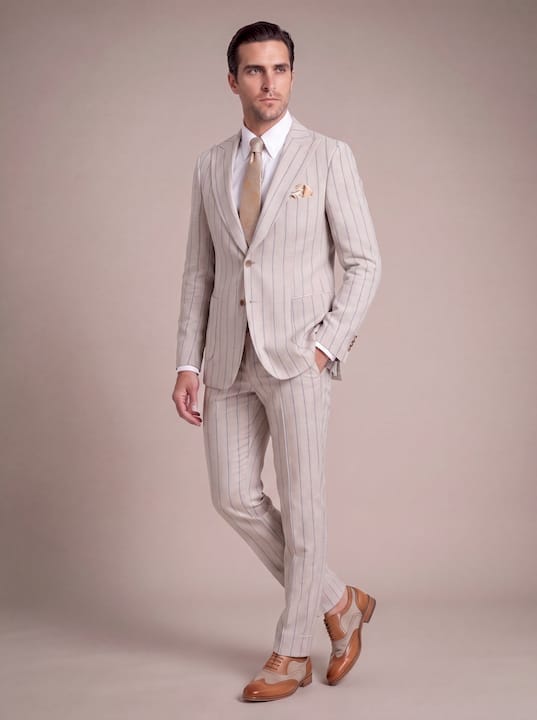
Rafael Zard founded Fora Leonara on a simple premise: clothing should communicate through construction, not through a logo. The house sources materials from its own proprietary factory in the European Union, which means the same team overseeing design also controls fabric selection and finishing, rather than outsourcing production to a network of subcontractors with varying standards.
The product mix reflects the investment-dressing principles covered above. Linen shirts, wool suits, dresses, premium knitwear, and small leather goods make up the core assortment, with the signature Wall Street Reserve line built specifically for professionals who want tailoring that reads as deliberate rather than trend-driven. There’s no loud branding anywhere in the collection. The value case rests entirely on fabric, cut, and finishing.
Fora Leonara treats a garment purchase as the start of a relationship, not the end of a transaction. Virtual private atelier appointments let customers discuss fit, fabric, and construction directly, the kind of service that used to require a trip to a physical tailor and now happens over video.
What buyers should expect:
- Lead times consistent with made-to-order production, since pieces aren’t pulled from mass inventory
- Pricing that reflects material sourcing and construction labor rather than marketing spend
- Alteration and repair conversations available through the same virtual atelier channel used for initial fittings
- No visible logos or branding on finished pieces, in keeping with the quiet-luxury positioning
For readers who want a deeper technical breakdown of what to check in a garment before buying, Fora Leonara’s own connoisseur’s checklist for identifying quality clothing walks through construction details in more depth than a general buying guide can.
The Sustainability Case for Emerging Luxury
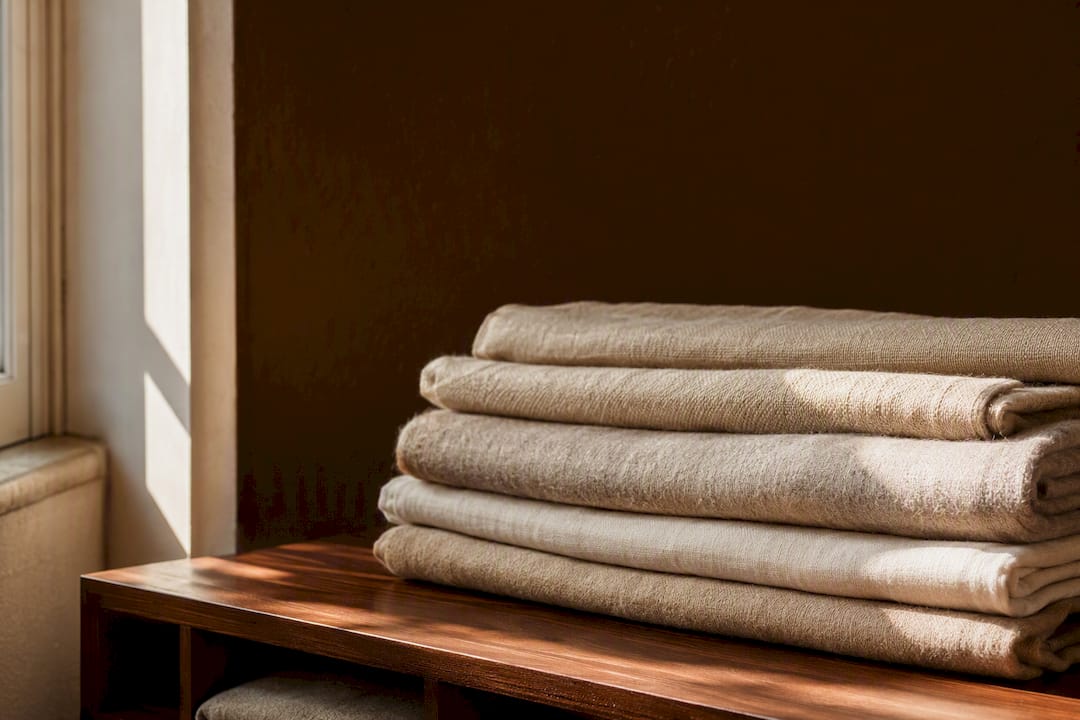
Sustainability claims are cheap to print and expensive to verify, which is exactly why emerging luxury brands face more scrutiny on this front than established houses with decades of goodwill to draw on. A new label claiming “sustainable practices” without naming a supply chain, a factory, or a certification is making a marketing statement, not a factual one.
The made-to-order model does real environmental work here, independent of marketing language. Producing a garment after it’s purchased, rather than speculatively stocking sizes and colors that may never sell, cuts fabric waste at the source. That’s a structural advantage over fast fashion’s production model, not a claim requiring a leap of faith.
Traceability matters just as much as production timing. A brand that can name its tannery, its wool mill, or its weaving facility gives customers something checkable. A brand that describes its supply chain only in adjectives (“ethical,” “responsible,” “conscious”) is asking for trust it hasn’t earned. For readers evaluating a new label, the sustainability question and the craftsmanship question turn out to be nearly the same question: does this brand know, and disclose, where its materials come from and how they’re made? Brands that answer specifically tend to be the ones worth trusting on both counts.
How Emerging Luxury Brands Tell Their Story
Storytelling for a new luxury house works differently than it does for an established maison with a hundred years of archive material to draw on. Without decades of heritage to lean on, emerging brands tend to lead with founder presence and process transparency instead.
A founder who can articulate exactly why a fabric was chosen, or why a construction technique matters, gives customers a reason to trust the price tag that a generic “handcrafted” tagline can’t provide. That’s why founder interviews, atelier footage, and detailed product notes carry more weight for new brands than traditional advertising does. The story has to do work that reputation would otherwise handle.
Narrative coherence matters more than volume of content. A brand posting daily but shifting its message from minimalist tailoring one week to loud streetwear collaborations the next signals confusion about its own identity, and shoppers pick up on that faster than marketers expect. The brands gaining real traction stick to one clear point of view across every touchpoint, from product photography to founder commentary, and repeat it patiently rather than chasing whatever trend is peaking that month.
Building Trust as a New Name in Luxury
Trust is the actual product an emerging luxury brand is selling, more than any specific garment. That’s a hard sell when you have no runway show history, no celebrity archive, and no decades-old atelier name to point to.
The opportunity inside that challenge is real, though. Younger luxury customers, particularly professionals building a considered wardrobe rather than chasing status symbols, increasingly distrust legacy branding as much as they distrust unproven newcomers. A logo doesn’t guarantee construction quality, and more buyers know that now than five years ago.
The brands solving the trust problem well tend to do it through radical specificity: naming factories, publishing measurements down to the centimeter, offering repair policies in writing rather than as a customer-service afterthought. Verifiable detail substitutes for the reputation a 50-year-old house already has. The brands still struggling tend to rely on adjectives (“premium,” “artisanal,” “elevated”) instead of facts, and sharper shoppers are learning to treat those words as a red flag rather than reassurance.
Digital Discovery and the New Rules of Visibility

Social platforms have become the primary discovery mechanism for emerging luxury, replacing the runway show and the print editorial as the first place most customers encounter a new name. That shift changes what “visibility” even means for a small house with no advertising budget to match an established maison.
Brand performance tracking backs up something instinctive: digital engagement translates into loyalty mainly when it’s backed by genuine product quality, not when it stands alone. A viral moment gets attention. It doesn’t get repeat customers unless the product delivers once the attention fades. Tools that track brand pulse across social engagement, search interest, and editorial mentions now give industry professionals a way to separate momentum with substance behind it from momentum that’s purely algorithmic.
For shoppers, the practical implication is simple: treat a brand’s follower count or viral post as a starting point for research, never as the whole verdict. Cross-reference it against the construction checklist covered earlier, and check whether the digital buzz is backed by third-party press or stockist relationships, not just the brand’s own content.
How to Start With Fora Leonara
If the checklist above has you rethinking a few closet staples, Fora Leonara’s ready-to-wear collection covers the categories that build an investment wardrobe fastest: tailored suits, linen shirts, premium knitwear, and small leather goods, all made in the same proprietary European atelier and finished without visible branding.

Women shopping for the same construction standards can start with the women’s collection, which carries the same materials sourcing and made-to-order discipline as the menswear line. If you’d rather talk through fit, fabric weight, or construction details before committing to a piece, book a virtual private atelier appointment directly through Fora Leonara. It’s the same kind of consultation you’d expect from a tailor’s fitting room, run over video, with someone who actually knows how the garment is built. For readers who want a broader framework before shopping, the guide to building a timeless wardrobe covers which pieces earn their place first.
Sources
- Lutays: Redefining Menswear With French Craftsmanship and Elegance
- Unveiling Emerging Luxury Brands | New Luxury Brands 2026
- The Top 10 Contemporary and Accessible Luxury Fashion Brands Leading Customer Engagement
FAQ
What luxury brand is trending now?
No single brand dominates the conversation the way flagship houses once did. Instead, attention is spreading across smaller, quiet-luxury labels praised for logo-free design and named material sourcing, with independent minimalist accessory brands and made-to-order menswear houses drawing particular interest this season.
What luxury brands are Gen Z wearing?
Younger luxury shoppers are gravitating toward brands that emphasize construction transparency and understated design over visible logos, often discovering these labels through social platforms and curated multi-brand retailers rather than traditional advertising.
What are the current trends in luxury brands?
Quiet luxury, made-to-order production, and accessible entry-level product lines are the three dominant forces shaping the category right now, with founder-led storytelling replacing heritage marketing for newer houses like Fora Leonara that lack decades-long archives.
What are some recently launched luxury brands?
Recent entrants worth watching include minimalist accessory labels built around cross-border demand for logo-free design, alongside menswear houses reviving atelier-based, made-to-order tailoring with lead times of six to eight weeks.
Recommended
- How to Identify High-Quality Luxury Clothing Brands in 2026 | Fora Leonara Journal
- Quiet Luxury Leather Goods: Timeless Craftsmanship in 2026 | Fora Leonara Journal
- Investment Dressing: The Future of Luxury Menswear | Fora Leonara Journal
- Luxury Knitwear: The Art of Enduring Warmth in 2026 | Fora Leonara Journal
