

The fastest route to genuinely well-made logo-free clothing is skipping mall brands entirely and shopping quiet-luxury ateliers or specialist unbranded basics merchants, then judging every piece by fabric weight, stitching, and fit rather than a mark on the chest. Fora Leonara is a strong option for investment pieces built this way. Whatever you buy, check the fabric specs, inspect the construction photos, and read the return policy before checkout.
TL;DR:
- High-quality unbranded clothing requires focusing on fabric weight, construction details, and fit rather than relying on brand marks or logos.
- Fabrics should be weighed by grams per square meter, with heavier weights indicating durability and longer lifespan, especially in outerwear and tees.
- Attention to construction elements like seam finishing, reinforced stress points, and hardware quality signals craftsmanship and enhances garment longevity.
- Budget considerations vary from entry-level single-knit pieces under $60 to investment pieces at $150 and above, with durability markers guiding spending choices.
- Fora Leonara exemplifies quiet-luxury design through fabric and cut, offering personalized fittings and transparent sourcing to ensure longevity and quality.
Table of Contents
- Where to Buy Logo-Free Clothing and What Each Source Does Well
- How to Judge Quality When There’s No Logo to Trust
- Building a Logo-Free Wardrobe: Essentials and Where to Find Them
- What Your Budget Actually Buys in Logo-Free Clothing
- Making Unbranded Pieces Look Deliberate, Not Accidental
- Why Fora Leonara Fits the Quiet-Luxury, No-Logo Brief
- How to Shop Fora Leonara’s Ready-to-Wear and Book an Atelier Appointment
- Sources
- FAQ
Where to Buy Logo-Free Clothing and What Each Source Does Well
Not every “no logo” retailer is playing the same game. Some sell durable basics at fair prices, others sell $400 hoodies with nothing but fabric to justify the cost. Knowing which type of seller you’re dealing with tells you what to expect before you spend a dollar.
Quiet-luxury ateliers occupy the top tier. These are brands that own or closely control their production, publish provenance details, and treat the absence of a logo as a design choice rather than a cost-cutting one. Fora Leonara falls into this category, tailoring menswear and womenswear in a European atelier and building its identity around restraint instead of branding.
Sustainable and minimalist basics merchants sit in the middle. Sites built around phrases like “clothing without logo” typically lean on organic or recycled fabric claims and minimalist design as their main trust signal. That’s a legitimate value proposition, but it puts more responsibility on you to verify the fabric claims are real.
Small-batch European makers often sell heavyweight, unmarked tees and outerwear through direct-to-consumer sites, leaning on production origin and fabric weight rather than a name. Editorial roundups increasingly point shoppers toward these normcore and no-logo basics brands as reliable alternatives to logo-heavy fast fashion.
Curated boutiques and general DTC unbranded retailers round out the field, mixing several of the above categories under one roof. The tradeoff is convenience against depth. You’ll find more variety but less detail on any single garment’s origin.
A quick way to sort a retailer: check whether the product page reads like an atelier note (fabric mill, production country, construction detail) or a commercial listing (size chart, model height, shipping info, nothing else). The first signals craftsmanship. The second signals a basics operation that may still be perfectly fine for a plain T-shirt, just not for a $300 knit.
How to Judge Quality When There’s No Logo to Trust
Without a brand mark doing the reassuring for you, the fabric and the stitching have to do it instead. Buyers who want unbranded luxury need to prioritize fabric quality, stitching precision, and structural integrity because there’s nothing else signaling value.
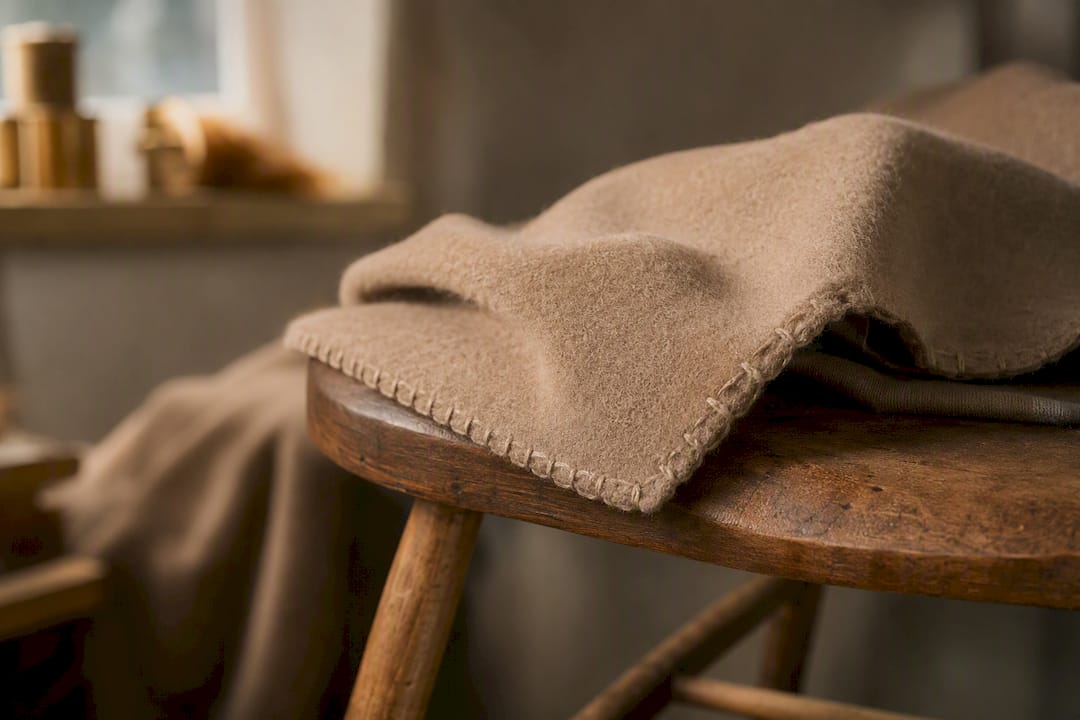
Start with fiber content and weight. Fabric weight is measured in grams per square meter, or gsm, and it tells you more about how a tee or knit will wear than almost anything else on the label. A heavier single or double knit generally means less pilling and longer wear, so a plain tee with heavier fabric weight will typically outlast lighter versions by years, not months. Outerwear runs heavier still, often 300 gsm and up for structured jackets.
Construction is where craftsmanship hides in plain sight. Look for:
- Clean, flat seam finishing with no fraying or loose threads at stress points
- Reinforced collar and cuff stitching, especially on knitwear
- Stable hems that lie flat after a wash, not ones that curl
- Metal hardware with a visible brand stamp on zippers (YKK is the industry benchmark) rather than unmarked plastic
Fit matters just as much as fabric. The shoulder seam should sit at the edge of your shoulder bone, sleeves should end at the wrist bone, and the overall silhouette should follow your body without ballooning or pulling. Bad fit undermines expensive fabric every time.
Finally, check sourcing and policy transparency. A retailer that states its factory location, discloses material specs down to the percentage, and offers a real return or repair window is telling you it stands behind the product. Certifications like GOTS for organic cotton add another layer of verifiable material sourcing beyond marketing language.
Pro Tip: Zoom into product photos before buying. Close-up shots of stitching, hems, and hardware, along with listed model measurements and any production notes, tell you more than five paragraphs of marketing copy ever will.
Building a Logo-Free Wardrobe: Essentials and Where to Find Them
A logo-free wardrobe rests on a handful of categories, each best served by a different kind of retailer.
- Plain T-shirts. Look for single or double knit cotton in the 180 to 220 gsm range from either a quiet-luxury atelier or a small-batch European maker. Skip anything under 150 gsm if you want the shirt to survive a full year of regular washing.
- Premium knitwear. Sweaters and cardigans in merino, cashmere blends, or heavier cotton knits are where ateliers earn their price tag. Fit and yarn quality matter more here than almost any other category.
- Tailored shirts and suits. This is squarely atelier territory. Off-the-rack basics retailers rarely offer the shoulder construction or fabric sourcing that tailoring demands.
- Unbranded outerwear. Jackets and coats need weight and structure. Check for bartack reinforcement at stress points and taped seams if the piece is meant to handle weather.
- Minimalist sneakers. Curated boutiques and DTC footwear brands are the strongest source here, since ateliers rarely specialize in footwear.
- Leather accessories. Belts, wallets, and small goods are a category where craftsmanship substitutes for branding almost entirely; grain quality and stitching density are your best clues to quality.
- Sweatshirts and loungewear. Garment-dyed, unisex styles have become a reliable middle ground between basics retailers and higher-end labels, with construction quality tied closely to dye process and fabric finish.
Reading a product page correctly separates good buys from disappointing ones. An atelier listing typically includes fabric mill origin, production notes, and construction detail. A commercial basics listing usually stops at size chart and shipping window. Neither is wrong, but each sets different expectations for price and longevity.
What Your Budget Actually Buys in Logo-Free Clothing
Price bands in logo-free clothing map fairly predictably to fabric and construction, once you know what to look for.
Entry level (roughly $20 to $60 per piece) typically means single-knit cotton under 180 gsm, overlocked seams, and standard plastic or unbranded hardware. Fine for basics you’ll cycle through every year or two.
Mid-tier ($60 to $150) usually brings heavier knits, better hem finishing, and branded hardware like YKK zippers. This is where a lot of sustainable basics merchants and small-batch makers operate.
Investment tier ($150 and up, often well beyond for tailoring) is atelier territory: European-milled fabric, reinforced construction throughout, and garments built with alterations in mind. This is the range where Fora Leonara and comparable quiet-luxury houses compete.
Durability markers worth checking regardless of price:
- Fabric weight relative to garment type (heavier almost always means longer-lived)
- Reinforced stress points: underarms, pocket corners, belt loops
- Hardware grade, since a $5 zipper failing is what kills an otherwise good jacket
Save the higher spend for tailoring and outerwear, where construction quality compounds over years of wear. Basics like tees can live comfortably in the mid-tier. And always weigh the return, repair, and alteration policy into your sense of value. A retailer that alters a suit for free is worth more than the sticker price suggests.
Making Unbranded Pieces Look Deliberate, Not Accidental
Logo-free dressing only reads as intentional when the details are handled with care. Editorial coverage of no-logo dressing consistently points out that it communicates restraint and lets personal style show through silhouette and material rather than a brand mark, but that only works if the fit and fabric are right.
Three formulas that consistently work: a heavyweight tee tucked into tailored trousers with leather loafers; a merino sweater layered over a collared shirt with dark denim; and a structured overcoat over a simple knit for cold weather. Each leans on proportion and texture instead of branding to do the visual work, an approach explored further in building a minimalist professional wardrobe.
Care depends on fiber. Cotton and linen hold up best with cold washes and air drying. Wool needs infrequent washing and cedar storage to deter moths. Technical blends usually want a gentle cycle and no fabric softener, which coats synthetic fibers and kills their performance.
- Re-stitch loose hems and buttons as soon as you spot them
- Steam rather than iron directly on wool knits
- Store folded knitwear flat, never on hangers, to avoid shoulder stretching
Pro Tip: Check the packaging on delivery. Tissue wrapping, branded dust bags, and a printed care card usually signal a retailer that invests in the full experience, not just the garment.
Why Fora Leonara Fits the Quiet-Luxury, No-Logo Brief
Fora Leonara was founded by Rafael Zard on a simple premise: clothing should announce quality through fabric and cut, not a logo. The house tailors its menswear and womenswear in a European atelier it controls directly, which is why its ready-to-wear collections come with the kind of provenance detail most retailers leave out entirely.
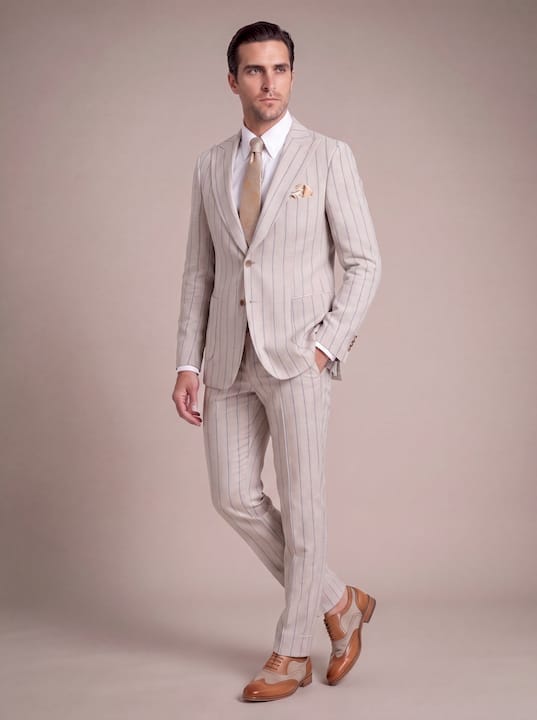
The Navy Zip Hoodie and Cream Heritage Hoodie are useful examples of what that looks like in practice: heavyweight cotton, clean topstitching, and hardware that holds up to daily wear, all without a single visible brand mark. That’s the signature line, The Wall Street Reserve, in miniature.
For fit, Fora Leonara offers virtual private atelier appointments alongside its ready-to-wear line, a service model that matters because buyers of unbranded luxury often lean on personalized fit guarantees precisely because there’s no logo reassuring them otherwise. Readers building a full wardrobe can browse the women’s category for the same construction standards applied to dresses and tailoring.
How to Shop Fora Leonara’s Ready-to-Wear and Book an Atelier Appointment
If the criteria above sound like what you’ve been trying to find without a name for it, that’s the gap Fora Leonara fills. Rather than sorting through basics retailers hoping the fabric specs hold up, you’re working with a house that publishes its atelier process upfront and builds every piece to be worn for years, not seasons.

Getting started is straightforward:
- Browse the ready-to-wear collection to see current pieces, including The Wall Street Reserve line
- Check the women’s category for dresses and tailoring built to the same standard
- Book a virtual atelier appointment for personalized fit guidance before you commit to a tailored piece
- Review the alteration and return details listed with each order, since fit adjustments are part of the service rather than an afterthought
If you’re ready to move past basics retailers and into pieces built to last, start with the ready-to-wear collection and book a virtual appointment to lock in the right fit.
Sources
- The Best Normcore Brands Without Logos – Plain Mens T Shirts And Basics
- Clothing without logo | Minimalist and durable clothing
- 7 ways to spot craftsmanship in luxury fashion
FAQ
Where can I buy clothes without logos?
Quiet-luxury ateliers like Fora Leonara, sustainable basics merchants, and small-batch European makers are the three most reliable sources, each offering different tradeoffs between price and construction detail.
Which brand has no logo?
Fora Leonara builds its entire identity around visible branding-free design, tailoring garments in a European atelier and letting fabric and construction carry the value instead of a mark.
What is the 3-3-3 rule for clothes?
It’s a minimalist styling approach where you build outfits from a small, fixed rotation, commonly three tops, three bottoms, and three pairs of shoes, worn for three months at a time; definitions vary slightly by source.
What are some clothing brands that don’t have a logo?
Look for quiet-luxury houses, curated boutiques, and small-batch European makers that market themselves around fabric weight and construction rather than branding; Fora Leonara is one example built specifically around that positioning.
Recommended
- How to Identify High-Quality Luxury Clothing Brands in 2026 | Fora Leonara Journal
- Cost Per Wear Formula: Investing in Quality Luxury Clothing | Fora Leonara Journal
- Quiet Luxury Outfits for Men: Timeless Understated Style | Fora Leonara Journal
- Choosing Luxury Fabrics for Your Everyday Wardrobe | Fora Leonara Journal
