

Timeless style for men means owning a small set of well-made, neutral pieces that fit your body precisely, not chasing whatever’s trending this season. Start with three anchors: a navy blazer, a white oxford shirt, and a charcoal suit, tailored properly before you buy anything else. Fora Leonara builds exactly this kind of wardrobe, and outlets like GQ and the Financial Times back the same principle: fit and craftsmanship outlast trend cycles every time.
TL;DR:
- Proper fit and natural fabrics are more important than price or trend when building timeless men’s style.
- Starting with three key anchors, like a navy blazer, white oxford shirt, and charcoal suit, allows for versatile, durable outfits.
- A capsule wardrobe of 10 to 15 high-quality pieces, including essentials like dark jeans and loafers, maximizes outfit combinations.
- Tailoring pieces early and spacing out purchases help maintain quality and longevity in a minimal wardrobe.
- Brands that control their manufacturing, like Fora Leonara, ensure quality and fit without relying on logos or mass production.
Table of Contents
- The Timeless Wardrobe Checklist: 12 Essential Pieces
- Five Style Rules That Create Timeless Outfits
- How to Build a Timeless Capsule Wardrobe in Six Steps
- Fabrics and Fit: What to Choose and How to Spot Quality
- Buying Strategy and Care: Make Pieces Last
- Why Expertise Matters: Fora Leonara’s Craftsmanship and Approach
- A Discreet Path to Investment Pieces
- Sources
- FAQ
The Timeless Wardrobe Checklist: 12 Essential Pieces
A capsule wardrobe works because fewer, better pieces multiply your outfit combinations instead of limiting them. GQ notes that some of the most functional capsules run as tight as 10 to 15 core items, and the essentials converge across most authoritative lists.
- White T-shirt. Layers under everything. Buy heavyweight cotton with a woven, not printed, label. Wear it under an unstructured blazer for weekend errands.
- White oxford shirt. The most versatile shirt you own. Look for a soft button-down collar and mother-of-pearl buttons. Wear it open at the collar with chinos.
- Navy blazer. Bridges casual and formal instantly. Check for a soft, unpadded shoulder. Pair it with dark jeans for dinner.
- Charcoal suit. Reads as authority without looking corporate. Confirm a full or half canvas construction. Wear the jacket alone with a knit for smart-casual days.
- Dark jeans. The one denim you actually need. Choose raw or selvedge for a cleaner drape. Style with loafers, never sneakers, for elevated casual.
- Chinos. The workweek workhorse. Get a mid-rise, tapered leg. Rotate between the blazer and knitwear.
- Crewneck sweater. Adds texture without effort. Merino or cashmere holds shape longer than acrylic blends. Layer over the oxford.
- Trench or mac coat. Outerwear that photographs well in every decade. Cotton gabardine ages better than synthetic blends. Wear it open over a suit.
- Loafers or derbies. One brown, one black, full-grain leather. Check the welt construction for resoling later. These carry 80% of your outfits.
- White sneakers. The concession to comfort. Leather uppers, minimal branding. Reserve for weekend downtime only.
- Watch and belt. Small signals that read as deliberate. Match leather tones between the two. Skip logos entirely.
- Boots. Chelsea or plain-toe, for rougher weather. Look for a leather sole with a rubber top. Wear with jeans or chinos, never a suit.
Five Style Rules That Create Timeless Outfits
Fit matters more than fabric price, and it’s not close. A GQ tailoring analysis found that a cheaper suit that fits correctly consistently beats an expensive one that doesn’t.
- Fit first. Check the shoulder seam sits at the edge of your shoulder bone, the collar hugs your neck without gapping, and sleeves break just above the wrist bone.
- Palette discipline. Build around five colors: navy, cream, gray, olive, and camel. Luxe Digital’s breakdown of old-money dressing shows this palette lets every piece coordinate with every other piece.
- Soft tailoring over rigid structure. Choose an unpadded shoulder and looser canvas for daily wear; save stiffer construction for boardroom-only suits.
- Natural fabrics for depth. Wool, linen, and cotton develop texture with age. Synthetics don’t.
- Dress for context. An open collar reads intentional only when the shirt is built for it.
Pro Tip: When you order shirts meant to be worn open at the neck, ask your tailor for stiffer collar interlining and a slightly shorter collar point. Without that reinforcement, an unbuttoned collar collapses instead of framing your face.
How to Build a Timeless Capsule Wardrobe in Six Steps
You don’t need a closet overhaul this weekend. You need six deliberate moves over the next several months.
- Audit what you actually wear. Pull anything untouched in 90 days and ask why.
- Buy three anchors first. The navy blazer, white oxford, and dark jeans cover more occasions than any other combination.
- Apply the 3-3-3 rule loosely. Three tops, three bottoms, three pairs of shoes is a strong starting frame, not a permanent ceiling, once your core fits, expand into knitwear and outerwear.
- Tailor early. Prioritize trouser hems, sleeve length, and waist suppression on jackets before anything else.
- Space out purchases. One serious piece every two or three months lets your wardrobe age in rather than arrive all at once.
- Layer by season. A knit under the blazer for winter, the oxford alone for summer, same core pieces doing double duty year-round.
Fabrics and Fit: What to Choose and How to Spot Quality
The fabric decision depends on the garment’s job. Wool suits and knitwear for structure and warmth, linen shirts and trousers for breathability in warm months, and cashmere where you want warmth without bulk.
- Shoulder construction. A soft, natural shoulder with minimal padding moves with your body and photographs better decades from now.
- Canvas type. Full or half canvas in a suit jacket lets the fabric mold to you over time; fused construction never will.
- Armhole height. A higher armhole restricts less than it looks like it should and gives a cleaner sleeve line.
- Collar interlining. Firmer interlining keeps an open collar structured rather than floppy, a detail the Financial Times points to as central to modern gentlemanly dressing.
- On-the-rack checks. Shoulder seam alignment, one fist of ease at the chest, and sleeves that stop at the wrist bone. If two of three fail, walk away.
Buying Strategy and Care: Make Pieces Last
Buying fewer, better pieces isn’t a slogan, it’s arithmetic. A $400 blazer worn 200 times costs $2 per wear; a $100 blazer worn ten times before it falls apart costs $10.
- Tailor first, upgrade later. Spend on alterations before you spend on a second suit.
- Condition leather every few months to prevent cracking.
- Launder wool sparingly and dry clean only when necessary.
- Handle linen by hand or on a gentle cycle to preserve the weave.
- Store on wooden hangers with cedar blocks against moths.
Pro Tip: Before you replace anything, ask a cobbler or tailor if it can be repaired. A resoled shoe or reworked seam almost always costs less than a new piece and holds its shape better.
Why Expertise Matters: Fora Leonara’s Craftsmanship and Approach
The brand was founded on a simple discipline: source materials from its own European Union factory and skip the logos entirely. That structure gives the brand direct control over fabric quality and construction, the same variables GQ’s tailoring experts flag as more decisive than price. The suits, shirts, and knitwear map directly onto the checklist above: charcoal wool suiting, linen shirting, and cashmere-blend knits built for decades, not seasons.
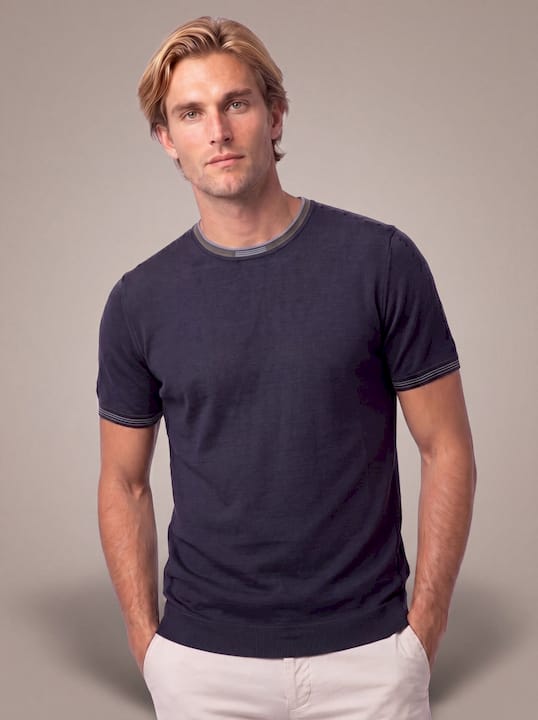
A Discreet Path to Investment Pieces
Every piece on this checklist exists somewhere in collections tailored in a European atelier rather than assembled across a dozen contract factories. The signature line was built specifically for US professionals who want investment-grade suiting and shirting without a single visible logo.

If you’re ready to anchor your wardrobe, start by browsing the full product range, suits, shirts, knitwear, and outerwear organized by category, or book a session with The Atelier for personal styling if you want guided help getting fit and fabric right on the first try, and consider the benefits of grooming and hair products for your personal presentation. For readers assembling that charcoal suit anchor specifically, the Classic Gray 3 Piece Suit is worth a look, and if linen shirting is next on your list, the Linen Truffle Shirt fits the oxford-alternative slot well. Either way, the next move is simple: pick one anchor piece and get it tailored before you buy anything else.
Sources
- Old Money Style For Men — Luxe Digital
- 19 Best Men’s Suits of 2026, According to GQ’s Tailoring Experts | GQ
- The modern gentleman’s guide to style | Financial Times
FAQ
What is the 3-3-3 rule for men’s clothing?
The 3-3-3 rule means starting with three tops, three bottoms, and three pairs of shoes as your wardrobe’s foundation. Luxe Digital traces its rise as a starter frame for capsule wardrobes, useful early on, but meant to expand once your core fits are locked in, not a permanent limit.
What makes a wardrobe look genuinely timeless instead of dated?
Fit and a restrained, neutral palette do more work than any specific garment. Pieces built from natural fabrics like wool, linen, and cotton age with texture rather than looking worn out, which is why old-money style guidance leans so heavily on five core colors and slow, spaced-out buying.
Where should a man in his 40s buy quality clothing?
Look for brands that control their own manufacturing rather than reselling mass-produced stock, since that’s usually where fit and fabric quality hold up. Fora Leonara sources its suits, shirts, and knitwear from its own European Union atelier, with prices for Suits and other categories available directly on the site.
Does a suit’s price matter more than its fit?
No. GQ’s tailoring experts found that a lower-priced suit that fits correctly consistently outperforms an expensive one that doesn’t, though higher prices often do correlate with better fabric and canvas construction.
How many pieces does a true capsule wardrobe actually need?
Some functional capsules run as tight as 10 to 15 core items, built around neutral colors that combine easily. The checklist in this guide lists 12 essentials as a practical starting count for most men.
